Billy's Gonna Get Ya
PRIVATE SCREENING
Wrong code.
scroll
1 / 18
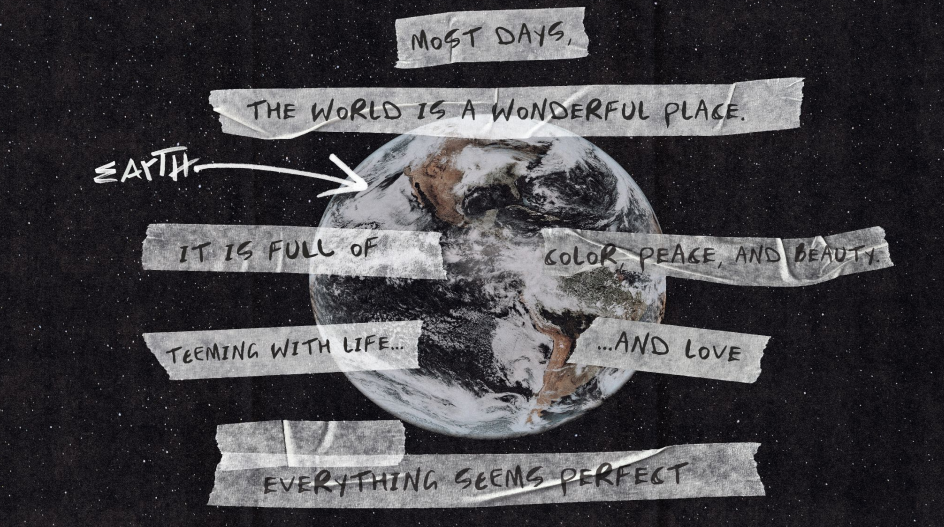
The world is a wonderful place
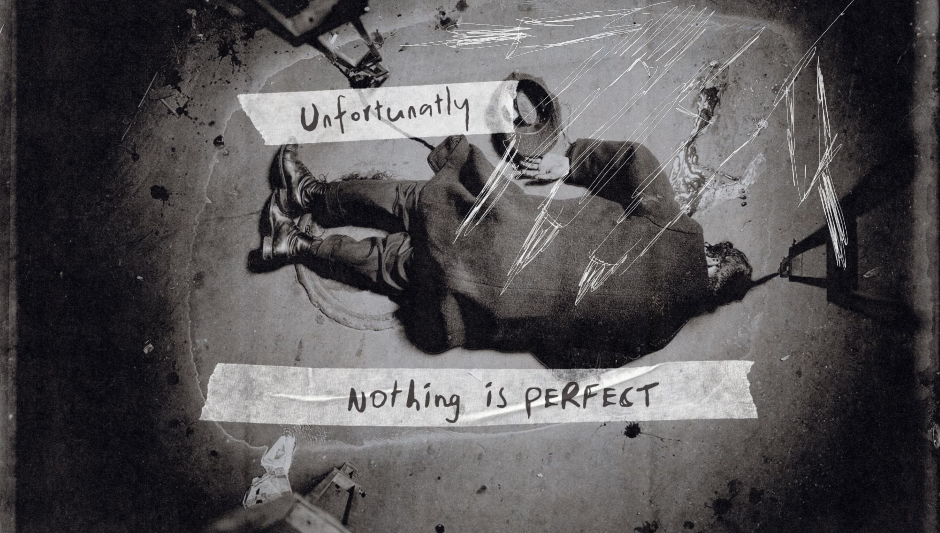
Nothing is perfect
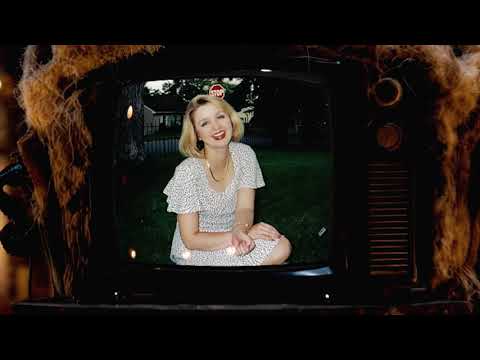
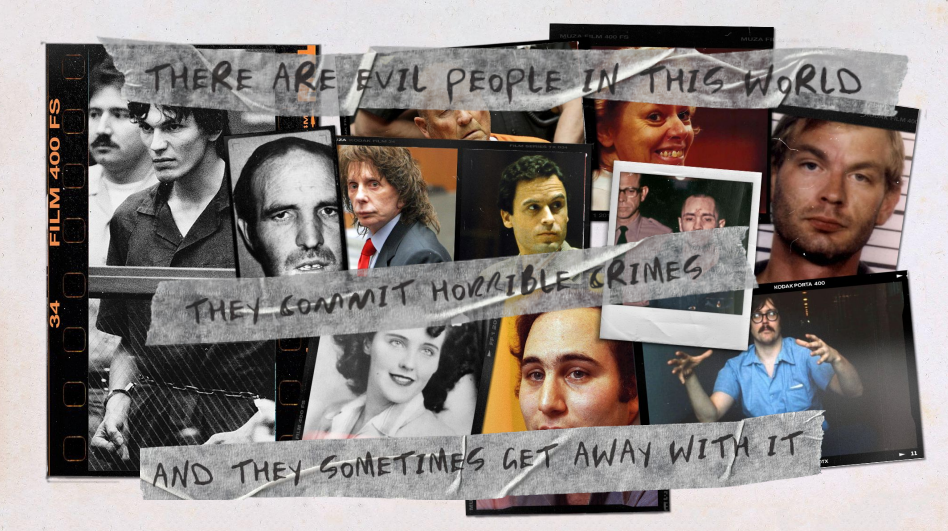
Evil people in this world
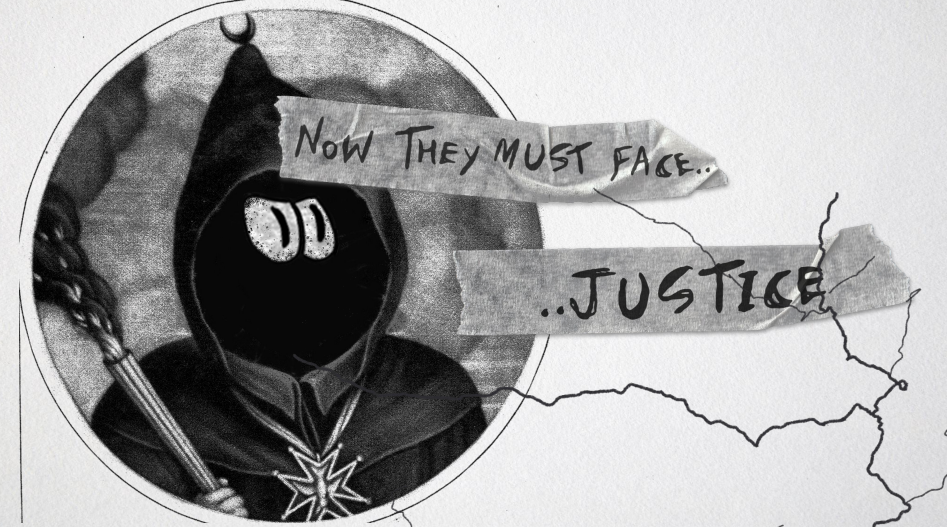
They must face justice
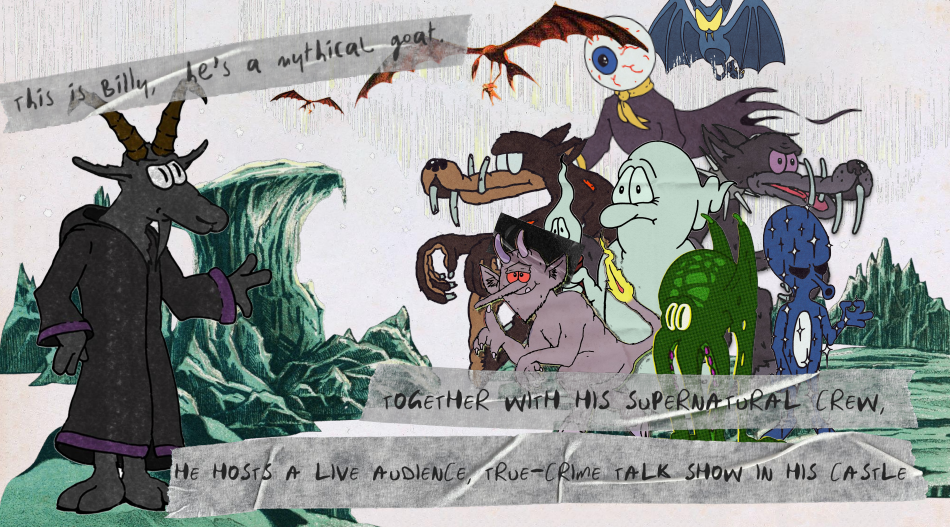
Billy and his supernatural crew
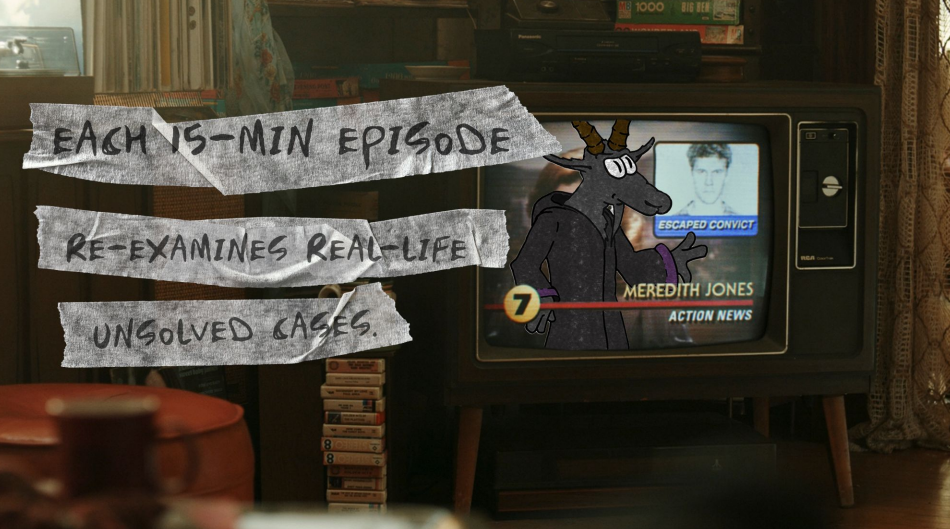
Each 15-min episode
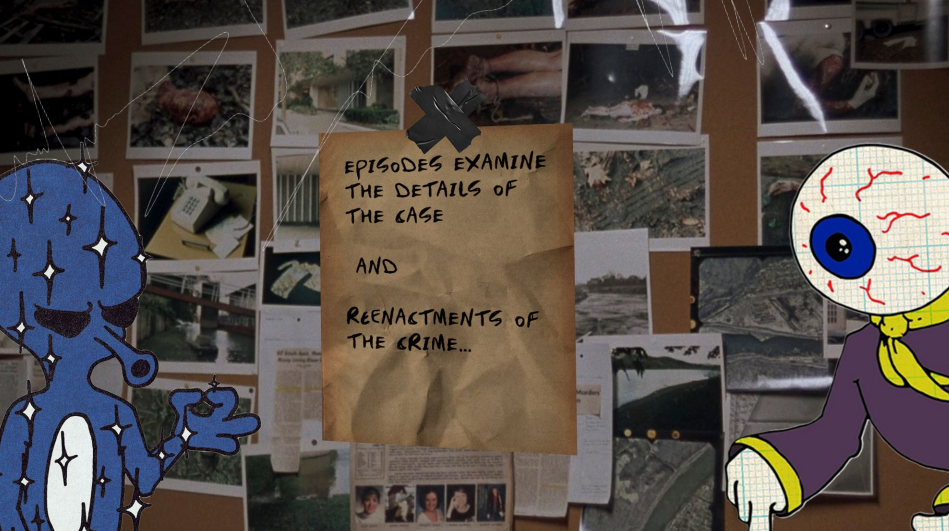
Episodes examine the details
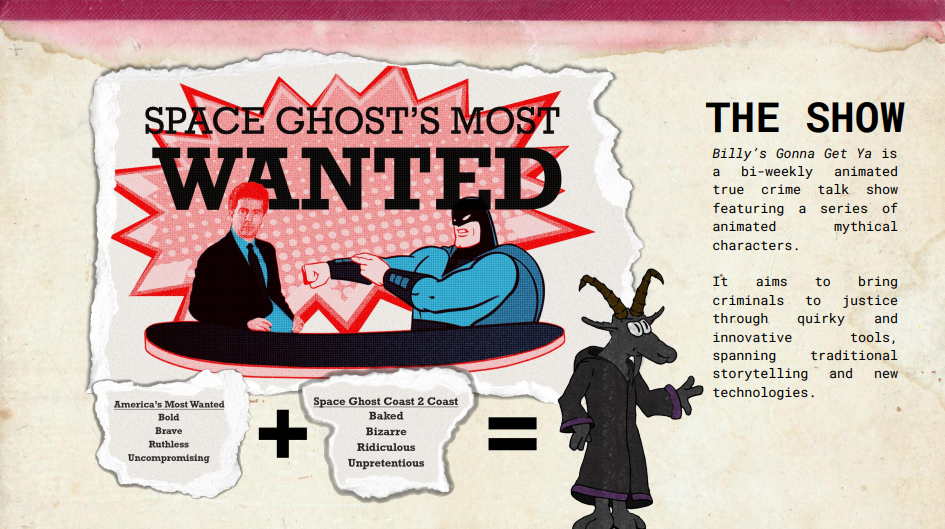
The Show — Space Ghost meets Most Wanted
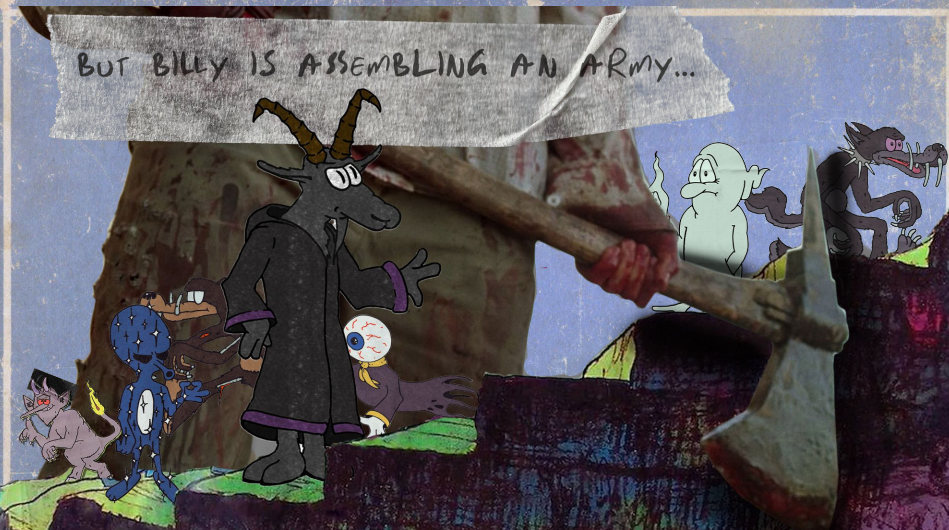
Billy is assembling an army
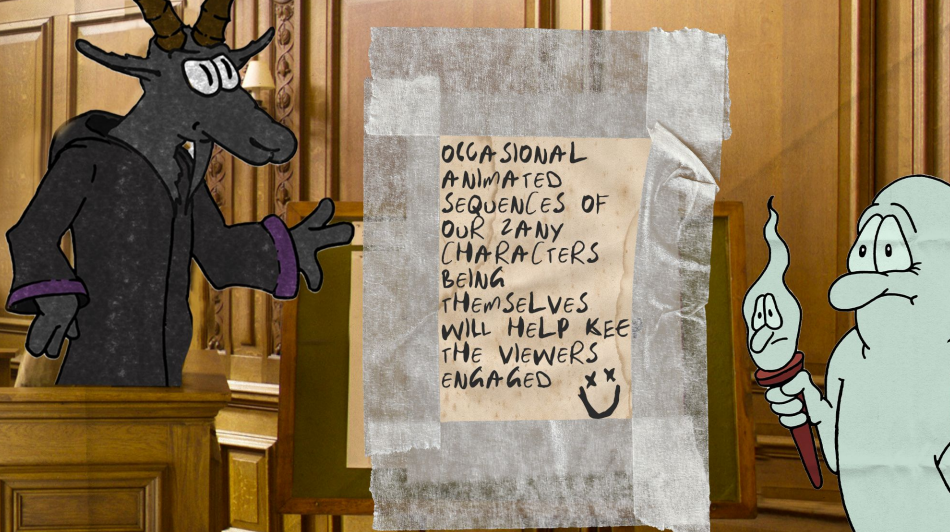
Zany character sequences
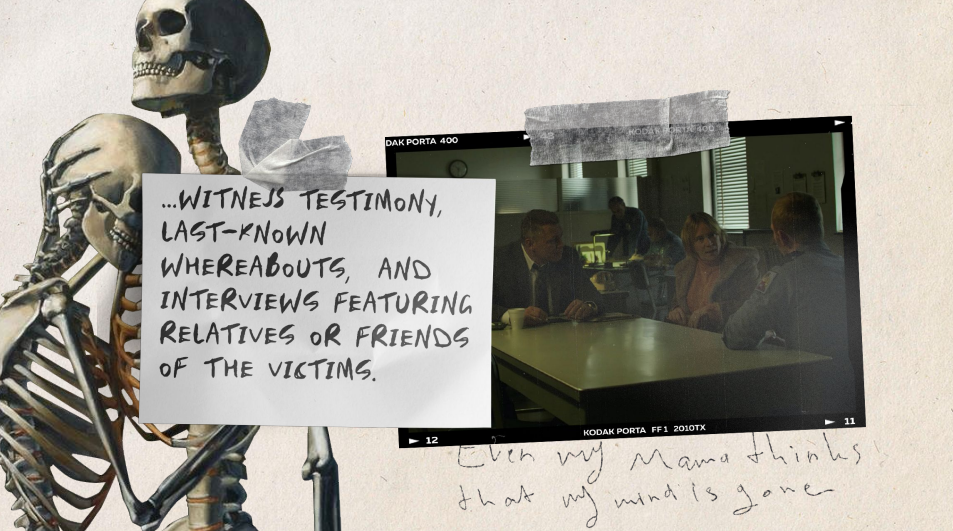
Witness testimony
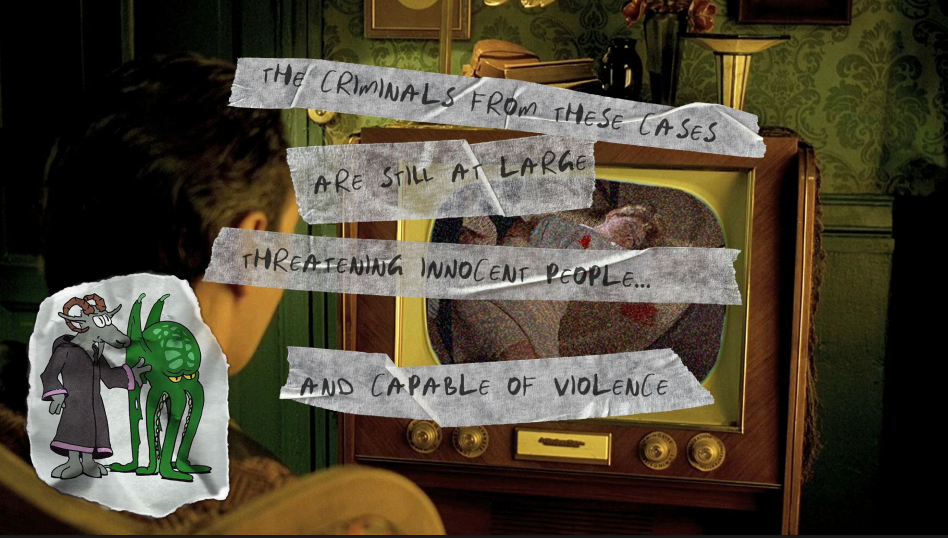
Criminals still at large
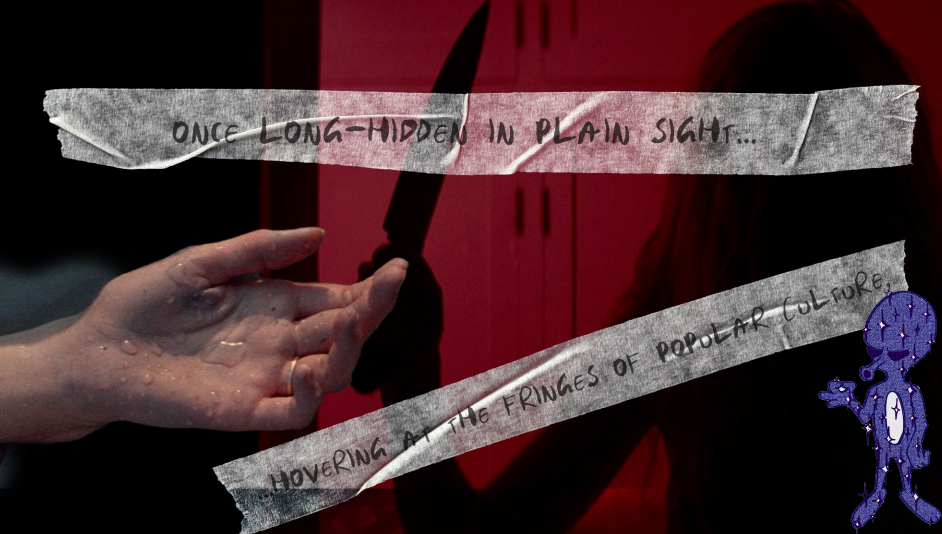
Hidden in plain sight
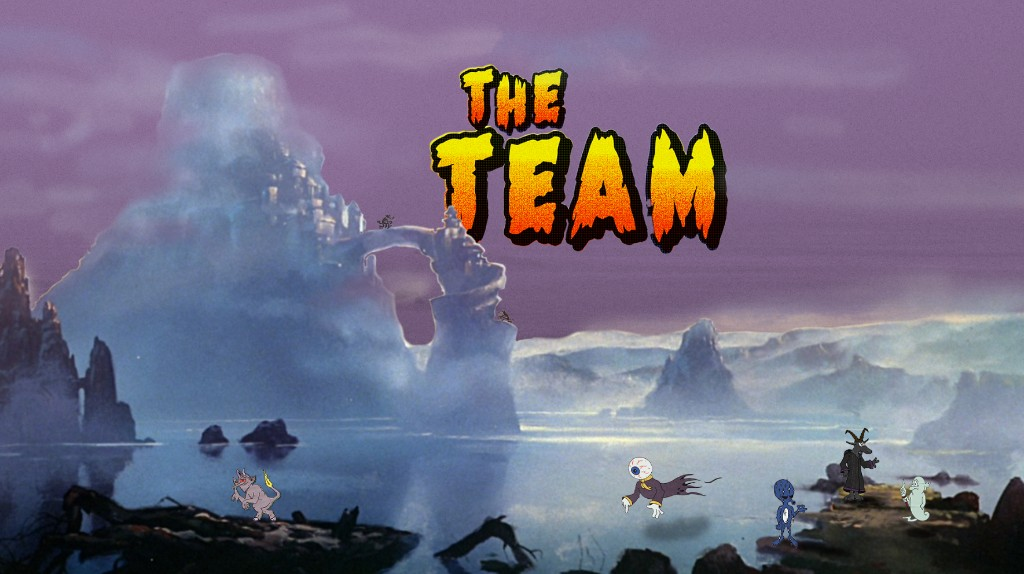
The Team
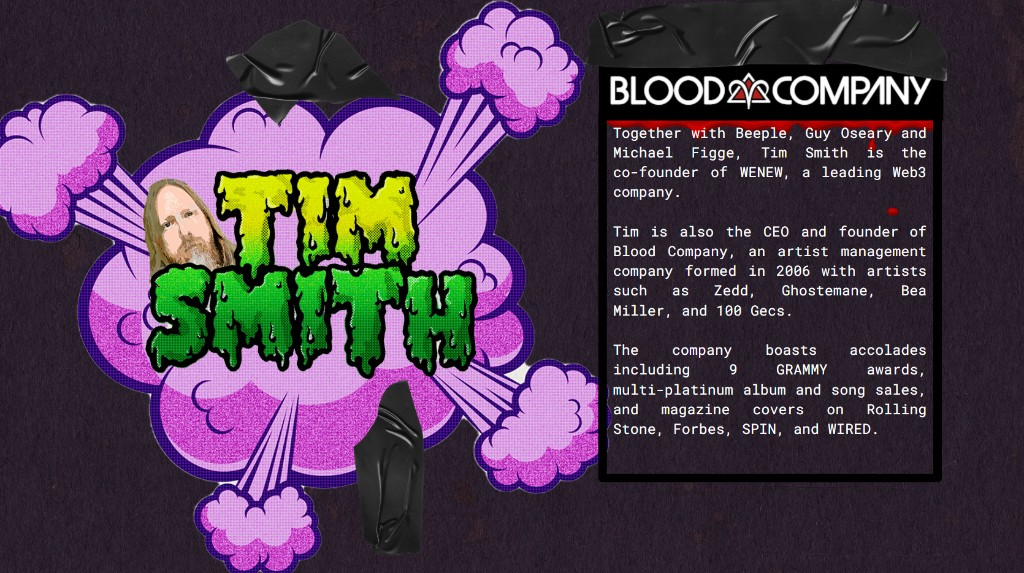
Tim Smith — Blood Company
Future — creative ventures collective
Tenderfoot TV — Donald Albright and Payne Lindsey
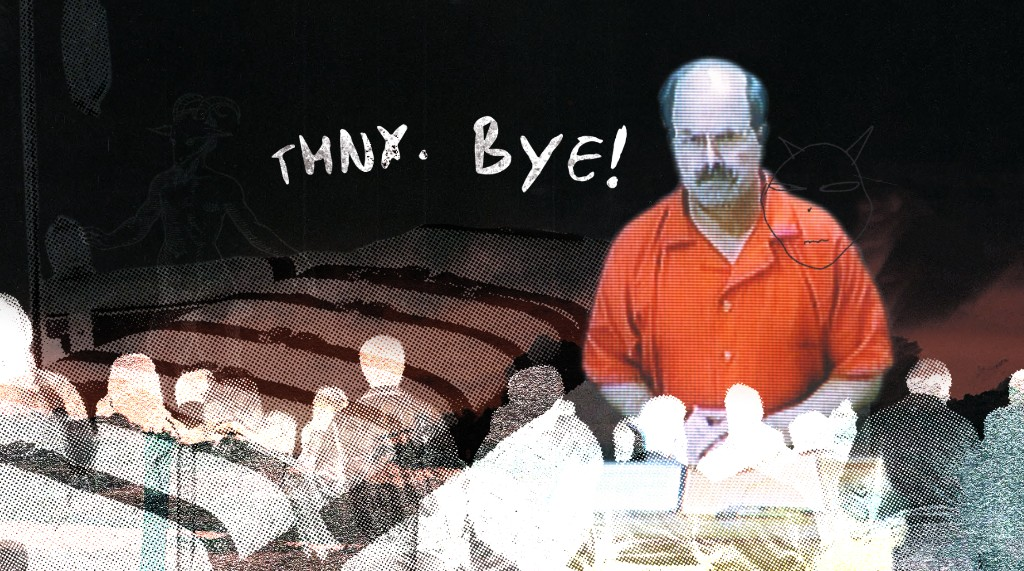
Thanks, bye!

The Teaser

BGGY Teaser

The Pitch

The story's been told. Now here's the plan — follow the thread.

The Format
How It Works
10

Episodes

First season — ten cases, ten deep dives.

~10-15 min

Runtime

AI animation woven through narration and evidence.

Bi-Weekly

Cadence

Room to polish, momentum to binge.
The Cast
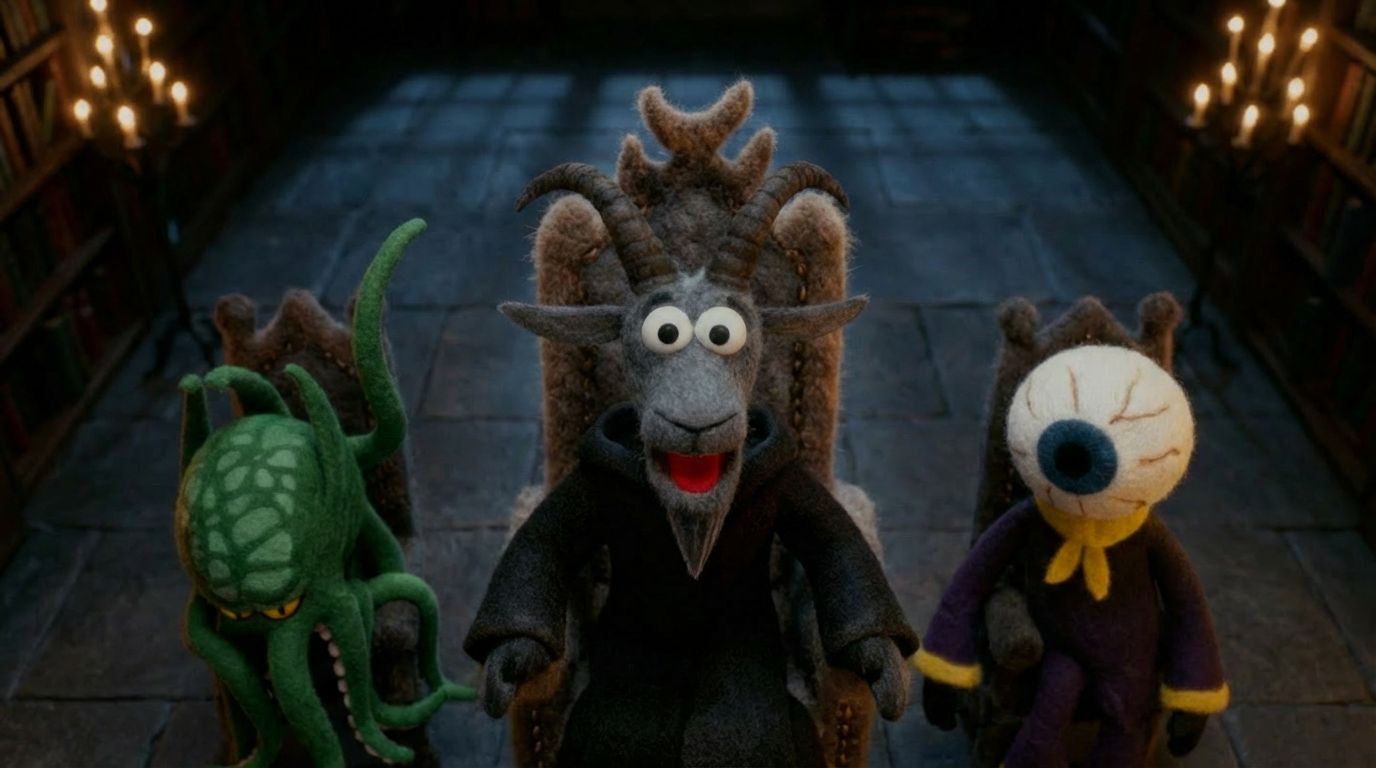
Billy's Supernatural Crew
Between case files, the crew breaks into animated vignettes — you'll fall for these idiots fast.
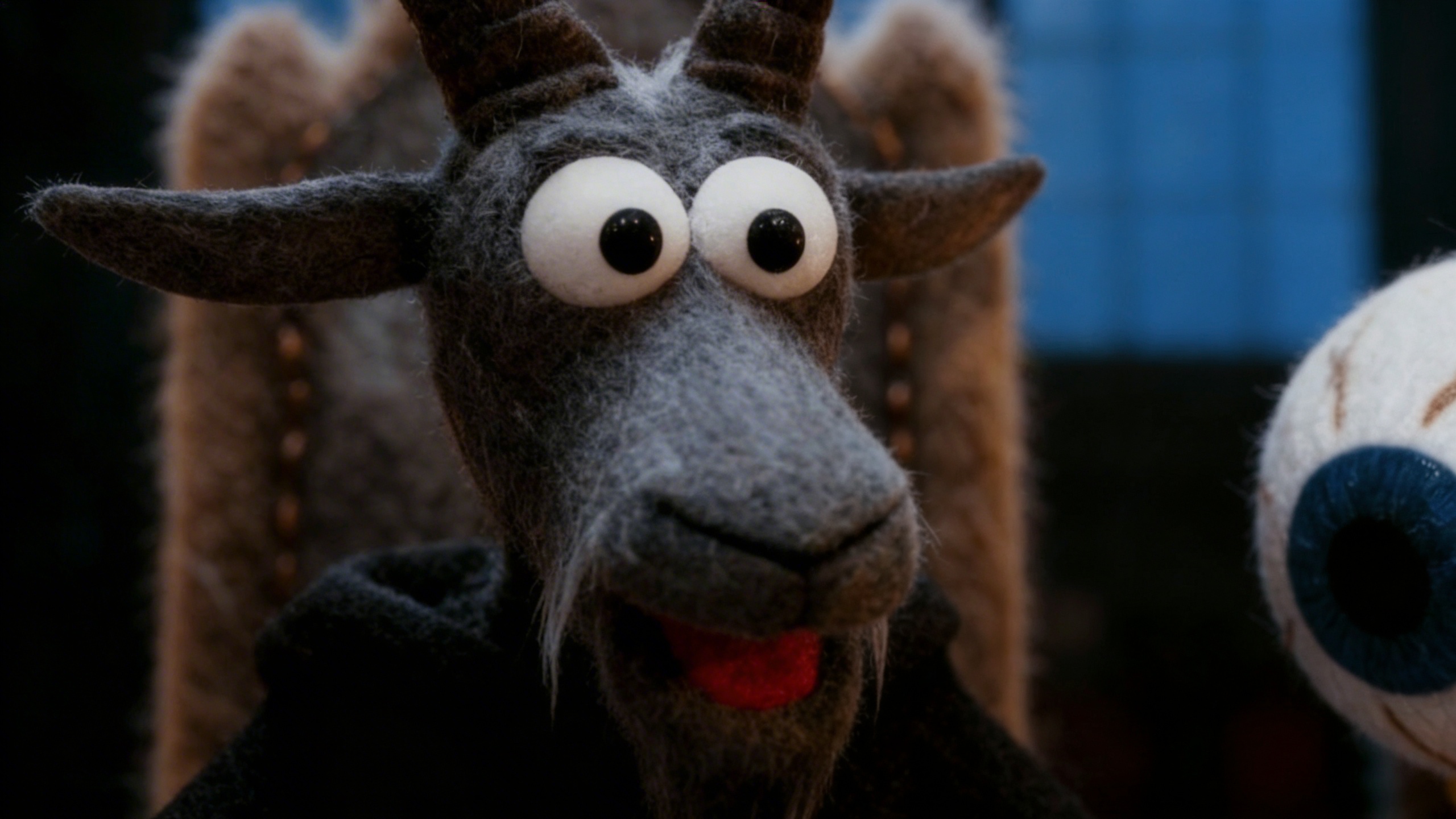
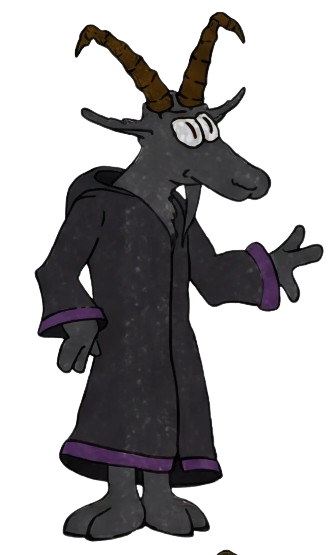
Billy
Billy
Host — Mythical Goat
Robe, horns, zero patience for predators.
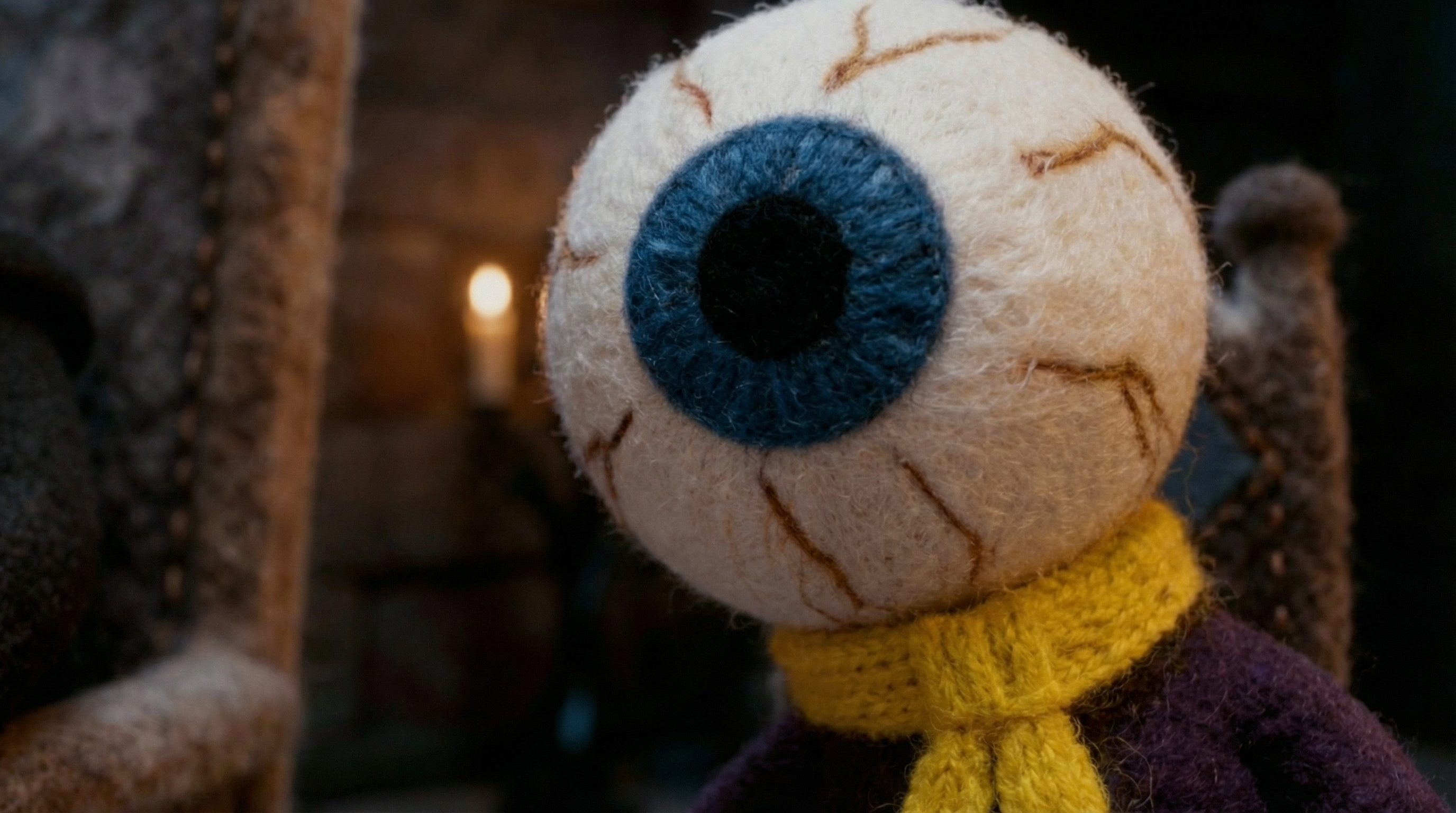
Optimus
Optimus
Data Analyst — Giant Eyeball
Chalk in hand. If the numbers say you're lying, the audience hears it.
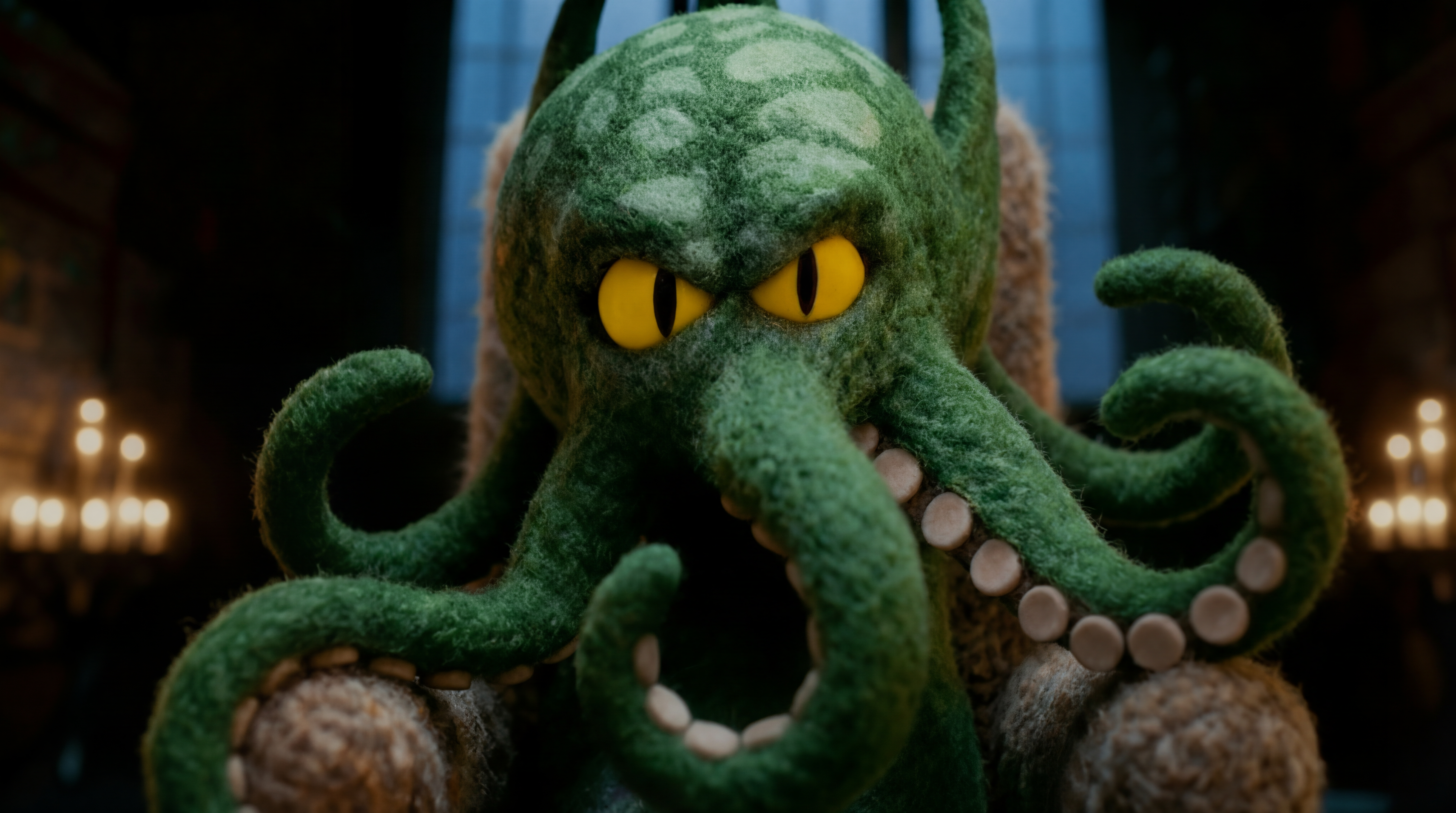
Ghorhoth
Ghorhoth
The Enforcer Sidekick
Ancient, green, done with everyone's nonsense.
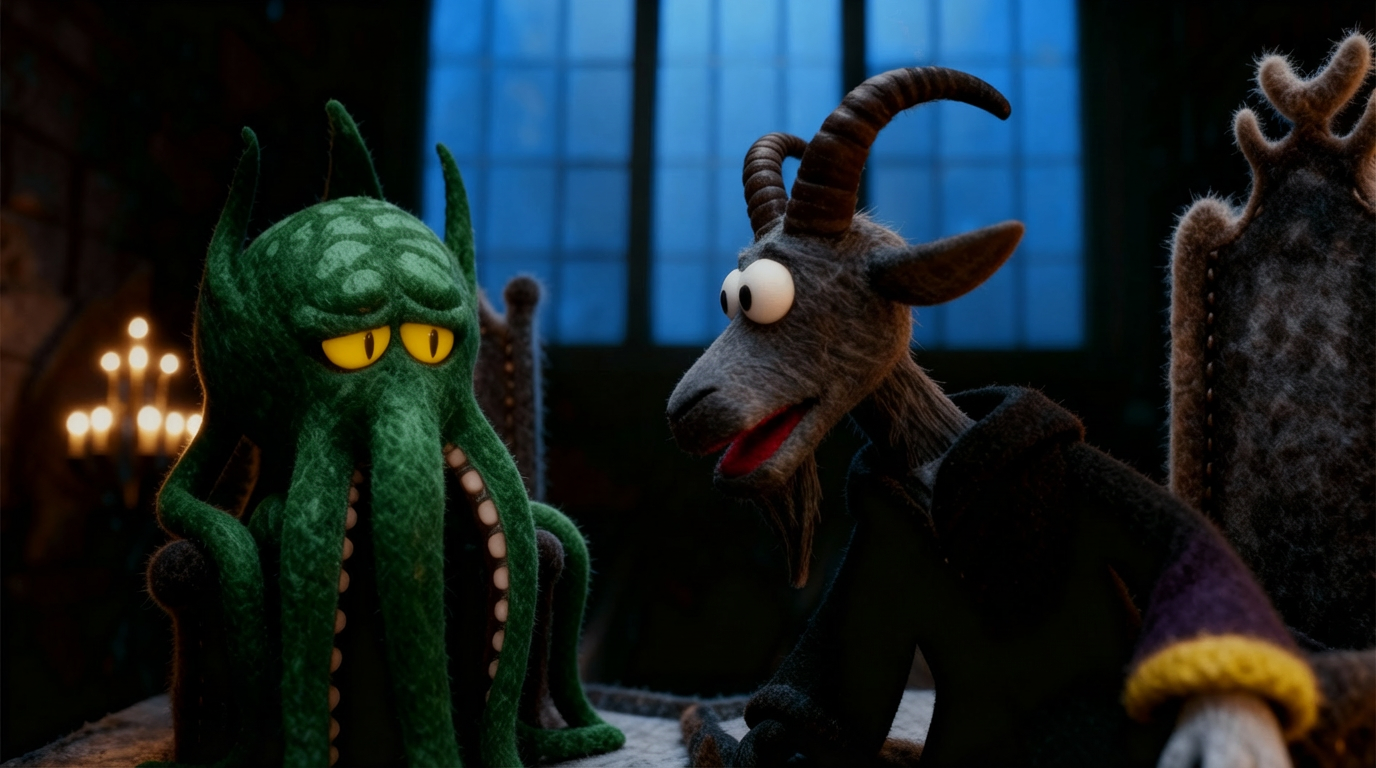
Characters interacting Full crew shot

Plus: Reaper, Ghost, Bat, Werewolf, Star-Body, Imp — all felted, all unhinged.

Unique Positioning
Why We're Built For This
We are not starting from zero. The foundation is built. Here is what makes this different from every other animated show seeking investment.

A Universe Already Built

Most animated shows begin with a concept. We begin with hundreds of developed, owned characters, a universe bible, established lore, and a season arc ready to execute. That is years of creative infrastructure that other studios don't have at this stage.

A Pipeline That Changes the Economics

Traditional animation at comparable quality costs $1.5M–$3M for 10 episodes over 18–24 months. Our AI pipeline produces Season 1 at $447K on a bi-weekly delivery schedule. Not a marginal improvement. A structural advantage.

A Completed Pilot

The hardest question in creative investment is whether the thing will actually get made and whether it will be any good. We have already answered both. The pilot exists. The pipeline works. The show is real.

A Format Built for This Moment

True crime is the most participatory genre on the internet. The bi-weekly cadence creates community rhythm. The case-solving mechanic converts viewers into investigators. The format is designed to be lived in.

The Strategy
Deep Dive — Pick a Thread
Getting Eyeballs
The Path There
  1. Get the pilot to the true crime audience first

    Before Season 1 launches, the pilot goes to true crime podcast hosts, Reddit communities, and YouTube ecosystem creators. Not as a pitch. As a genuine introduction. A visually distinctive animated show is something they have never seen.

  2. Launch with coordinated signal

    Episode 1 launches with podcast partners, a seeded Reddit post in case communities, and vertical clips on TikTok and Reels the same week. The first 48 hours determine algorithmic momentum. We treat it like a product launch, not a content drop.

  3. Build the vertical content machine

    Every episode produces purpose-built short form content for TikTok, Reels, and Shorts. Not clips — standalone true crime content that works without context and funnels viewers to the full show. Billy presenting a case fact in 30 seconds. Optimus breaking down evidence.

  4. Activate the community layer

    The Discord launches with the show. Case-solving threads, AI character agents between episodes, evidence board mechanics. The community becomes the show's most powerful distribution engine.

  5. Use case selection as distribution

    We choose cases with existing online communities. When BGGY covers a case that a 200,000-person Reddit community is already investigating, that community becomes organic distribution the day the episode drops.

Revenue Upside
The Doors That Open in Success
This is not a projection. It is a map of the doors that open in success. Each one is real. Each one compounds the others.
Short Term
Year 1–2
Show is live. Audience is building.

Sponsorships & Brand Integration

True crime commands premium sponsorship rates. Mid-tier true crime podcasts with 50K listeners earn $5K–$25K per sponsored episode. Season 1 has 10 episodes — 10 sponsorship opportunities at launch.

$5K–$25K per episode

YouTube Revenue

Baseline monetization from day one. True crime content earns $3–$8 CPM. Every million views generates $3K–$8K. Proof of audience and a direct line to platform credibility.

$3–$8 CPM / True Crime Premium

Merchandise

Billy, Optimus, Ghorhoth — visually distinctive characters in a visually distinctive world. Print-on-demand through Fourthwall carries zero inventory risk. Early merchandise proves the IP travels.

Zero-risk / Community-driven

Channel Memberships

Fans pay monthly for exclusive content, early case access, and community perks. At 1,000 members at $7/month: $7K/month recurring. At 5,000: $35K/month.

$7K–$35K/month at scale
Mid Term
Year 2–4
Show has a body of work. Audience is proven.

Streaming Licensing

The first significant return event. Independent animated series with proven YouTube audiences have licensed for $50K–$500K+ per season depending on platform, territory, and exclusivity.

$50K–$500K+ per season

International Distribution

True crime is a global format. Territory rights sold to international broadcasters — Germany, Australia, UK, Scandinavia. Each territory is a separate revenue event.

Per-territory flat fees

Live Events

True crime has a proven live event economy. A BGGY live case reveal, community investigation night, live episode premiere with audience participation. Ticket revenue plus merchandise at events.

Ticket + Merch Revenue

Branded Content Packages

Sponsorship evolves into full branded integrations. A security brand sponsoring a case investigation. A legal tech company in Optimus's segments. $50K–$200K partnerships at scale.

$50K–$200K per partnership
Long Term
Year 3+
IP has traction. Studio has a track record.

Character Licensing

We own hundreds of developed characters. Each character is a separate licensing asset — merchandise manufacturers, game developers, other media. Royalty streams that compound indefinitely.

Hundreds of characters. Owned outright.

IP Acquisition / Strategic Exit

A larger studio or streaming platform acquires the IP. Streaming platforms are actively acquiring proven independent animation studios. The entry price today is the lowest it will ever be.

Studio-level exit

Gaming & Interactive

The case-solving mechanic bridges naturally to interactive format. A mobile game where the audience solves cases alongside Billy. Characters designed. World built. Audience primed.

Adjacent market / IP licensing

AI Character Licensing

Billy, Optimus, and Ghorhoth as autonomous AI personas — genuinely new territory. Brands pay for character integrations. Platforms pay for exclusive partnerships. The revenue category that doesn't exist yet.

Emerging category / First mover

Spin-off Properties

Each character is a spin-off waiting to happen. The universe bible supports new shows, formats, characters. Each new property is a new revenue stream that the original investment participates in.

Per-property / Studio equity

The Pipeline Itself

The AI animation pipeline, once proven at scale, is a proprietary production asset. Licensed to other creators, used for new IP, or the studio's competitive edge. Compounds in value every time it is used.

Licensable / Co-production asset
Hundreds of Characters. All Owned.
The Character Asset Strategy
We don't have one IP. We have a universe. The characters underlying BGGY represent an asset base most studios spend a decade building. We already have it. The show is how we activate it.
Four-Phase Activation
From core cast to franchise asset
Phase 1
Establish the core cast. Billy, Optimus, Ghorhoth, and the ensemble crew become culturally real through Season 1. Community attachment informs which characters have the most expansion potential.
Phase 2
Character-driven social content. AI character agents generate ongoing content between episodes. Characters react to real crime news in character. Each character builds their own audience independently.
Phase 3
Character expansion. Characters with the strongest community attachment become candidates for spin-off content, dedicated merchandise lines, and licensing conversations. The infrastructure is already built.
Phase 4
Character licensing. Third-party licensing for merchandise, games, and other media. Each character is a separate IP asset with its own licensing potential.
Independence = Leverage
The Sequencing That Matters
Helluva Boss didn't take a network deal before it had an audience. It went to YouTube, built the audience independently, and walked into Amazon Prime with leverage — a doubled budget and full creative control retained. That is the path.

Season 1 on YouTube builds the audience and proves the show. That audience becomes the asset we bring to streaming conversations for Season 2. The streaming deal funds Season 2 at better economics with ownership intact, because we didn't need them for Season 1.

The rights we protect now — AI character agents, interactive rights, community platform rights, international digital — are the ones that compound into the most valuable positions later. South Park's lawyers buried a clause in 1997 that nobody thought mattered. It made them billionaires by 2019. We build the studio with that lesson already internalized.
The Team
Built by Pioneers
Troy Pereira
AI Creative Director — FTR / DEEPOBJECTS
Creative vision and AI pipeline architect behind BGGY's needle-felt universe. Leads AI-driven production at FTR and DEEPOBJECTS, delivering impactful solutions for major global brands such as PUMA, McDonald's, and Manchester City Football Club. Drives the core animation and character generation systems powering BGGY.
Sondre Lindheim
AI Lead — NorwAI / DEEPOBJECTS
18 years in visual production. Founder of NorwAI AS, AI Lead at FTR/DEEPOBJECTS, and co-founder of AIAIAI — Norway's AI creative community. Specialist in AI-driven content pipelines for top-tier brands.
Martin Ask Eriksen
VFX Director / Senior Editor
16+ years in post-production, VFX, and motion design. Senior editor and AI researcher at one of Norway's biggest ad agencies, delivering broadcast work for Volkswagen, DNB, and REMA 1000. VFX jury lead for the Amanda Awards (Norway's Oscars). Owns final picture from rough cut to delivery.
Rob Anderson
Writer / Co-Producer
19 IMDB credits across comedy and animated television. Executive Producer on Crank Yankers (Comedy Central / Jimmy Kimmel), Axe Cop, Major Lazer, The Misery Index, and Stone Quackers. Writes the scripts, case-file research, and investigation arcs that give BGGY its narrative spine.
Tim Smith
Executive Producer — Blood Company
Co-founder of WENEW (acquired by Yuga Labs). Founder of Blood Company — management and creative behind 100 Gecs, Ghostemane, Zedd, Kenny Beats, Boys Noize, and more. GRAMMY-adjacent career building culture at scale. Brings music-industry infrastructure and audience-building expertise to BGGY.
Brett Danahy
Managing Partner — FTR / Founding Partner FTR
19 years in sports, entertainment, and brand partnerships. Managing Partner at FTR and founding partner of FTR. Former VP at CSM Sport & Entertainment (Cirque du Soleil, US Open, Ryder Cup, PGA). Led growth at The Basketball Tournament. Brings world-class sponsorship and distribution strategy.
Production Budget
Season One Investment
$447,000
Total production — 10 episodes
CategoryBudget
AI Production Team$190,000
VFX & Post-Production$50,000
Sound Design$15,000
Writing & Co-Production$40,000
API Costs & Contingency$7,000
Total$447,000
~10-15 min
Per Episode
Bi-Weekly
Release
50 / 50
Pay Schedule

Billy Is Ready. Are You?

Green light clears the runway. The felt army's on standby.

Get In Touch
Billy concept art